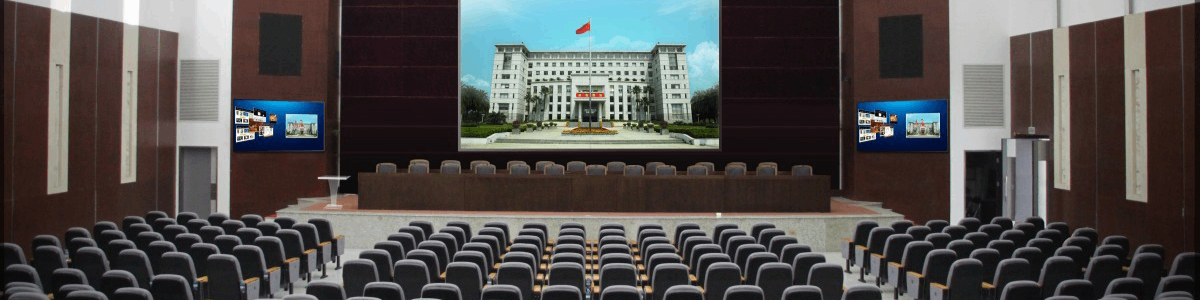

Global Academic Exchange: Bridging Cultures and Advancing Knowledge
Recognizing the transformative power of technology in learning environments, he has launched programs aimed at integrating digital tools into educational curricula. By collaborating with educators and policymakers, Volkov has advocated for the development of comprehensive digital literacy programs that prepare students for future challenges. Education is another domain where Volkov’s initiatives have made a significant impact.
His approach emphasizes the importance of equipping students with the skills necessary to thrive in an increasingly digital world. These initiatives not only enhance learning outcomes but also promote inclusivity, ensuring that all students, regardless of their background, have access to quality education. Neuroscience focuses on the biological underpinnings of mental processes, examining how neural activity correlates with thoughts and behaviors.
Philosophy has contributed foundational questions about the nature of consciousness, the self, and free will, while the humanities—through literature, art, and cultural studies—offer insights into the subjective experience of being human. Psychology, on the other hand, delves into the cognitive and emotional aspects of human experience, exploring how individuals perceive, interpret, and interact with the world around them.
Historically, the study of the mind has often been divided into distinct domains. Travel restrictions, health concerns, and the shift to online learning have disrupted traditional models of exchange, forcing institutions to adapt quickly. In recent years, the COVID-19 pandemic has posed unprecedented challenges to global academic exchange. While these digital platforms have their limitations, they have also opened new avenues for collaboration and learning, demonstrating the resilience of academic exchange in the face of adversity.
Virtual exchange programs emerged as a viable alternative, allowing students to engage with peers and faculty from around the world without the need for physical travel. Moreover, academic exchange programs often lead to the establishment of lasting international partnerships. For example, a partnership between universities in Africa and Europe may focus on addressing food security challenges, leveraging diverse perspectives and expertise to develop innovative solutions.
Joint research projects, faculty exchanges, and collaborative degree programs are becoming commonplace. Universities are increasingly forming collaborations that extend beyond student exchanges. These partnerships allow institutions to pool resources, share expertise, and tackle global issues such as climate change, public health, and social inequality. Collaborative initiatives that involve multiple institutions may face bureaucratic hurdles and funding disparities, hindering progress.
Advocacy for increased funding and support for interdisciplinary consciousness research is crucial to overcoming these challenges. Research in consciousness often requires significant investment in technology, personnel, and infrastructure. Additionally, funding and resource allocation can pose challenges for collaborative projects. Consciousness, one of the most profound and enigmatic aspects of human experience, has long captivated the attention of philosophers, scientists, and researchers alike.
Over the past few decades, the study of consciousness has evolved into a multidisciplinary field, encompassing neuroscience, psychology, cognitive science, philosophy, and artificial intelligence. This collaborative approach has led to significant advancements in our understanding of consciousness, highlighting the importance of integrating diverse perspectives and methodologies. This approach not only enriches the educational experience but also equips students with the skills needed to thrive in a globalized workforce.
By integrating ICCS Conference; International Center for Consciousness Studies; advancing consciousness research; ICCS by Dmitry Volkov; global platform for consciousness studies content and perspectives into courses, institutions can prepare students to think critically about global issues and engage with diverse viewpoints.